
Man-made Rules, Traditions, and Double Standards
By Rhoda Schmucker
October 18, 2025
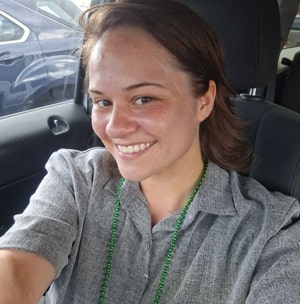 Last night I had a tough conversation with a friend. I first met her when I was 12 and she was a little older. We were both Amish and lived in the same community for several years, but her family had much stricter rules while my family was more “liberal.” Despite her family being more conservative, she never judged me during my rebellious phase, doing things that I still regret to this day. She always stayed my friend, and I could talk to her about things she didn’t agree with without feeling judged. Even after I left the Amish, she continued reaching out to me, even during my bouts of depression when I felt unable to reach out to anyone. (I was recently diagnosed with major depressive disorder, generalized anxiety disorder, and C-PTSD, and I’m considering evaluation for a few other things.) She will always be dear to me, and I hope we can remain friends no matter what.
A few weeks ago, she invited me to her wedding. I was thrilled. Then came the condition: because her parents were paying for the wedding, they required me to wear Amish clothes to attend. I was surprised. At first, I simply said okay without thinking too much, since I have worn Amish clothes to visit my own family multiple times.
But later, it started bothering me. One of my friends asked, “Would you require her not to wear Amish clothes when she visits you?” My shocked response, “Never!” made me realize that I cannot allow any of my Amish friends or relatives, other than my immediate family, to place that kind of rule on me.
So last night I called her. I explained that I cannot wear Amish clothes and asked why her parents had this rule. I asked if I would be the only non-Amish person at the wedding. She said no, there would probably be taxi drivers and others wearing whatever they wanted, but because I was born Amish, her parents insisted I wear the traditional clothing.
I told her that I never joined the Amish church, so it felt unfair to be treated differently than someone who wasn’t born into it. I didn’t feel bitter, but I wanted to share my feelings. She brought up the Anabaptist martyrs who died for their faith and asked if I thought their sacrifices meant nothing. Of course I don’t believe that! I have the greatest respect for my Anabaptist forebears, and I believe they were genuine Christians. But I also believe that nobody is perfect, and they were likely wrong about some things. I didn’t have much time to explain this fully, so I simply reminded her that the original Anabaptists left the church against their parents’ wishes. I told her that it feels hypocritical to start a church supposedly based on religious freedom, and then deny that freedom to your own children.
She brought up the age-old point about infant baptism in the Catholic Church, saying, “That’s a different situation.” I love it when Amish people bring that up. I told her, even though the Amish may not baptize children, they shun and sometimes mistreat children when they leave the church. How is that better than infant baptism? Even though my parents never had me baptized into the Amish Church, they still chose my life for me at birth and treat me differently because I chose something else.
That is where I want to end this article. If your church claims to stand for religious freedom, that should include freedom for your adult children. Holding them accountable to the standards of a church they never chose is just as wrong as infant baptism.
I will still wear Amish clothes to visit my immediate family until they allow me to wear what I want. But I would be lying if I said that placing this rule on me doesn’t restrict how often I see them or make me uncomfortable.
Written by Rhoda Schmucker
« Back to News





Comments
Thank you for always being so willing to share things on your heart, even when they are difficult. I appreciate you!